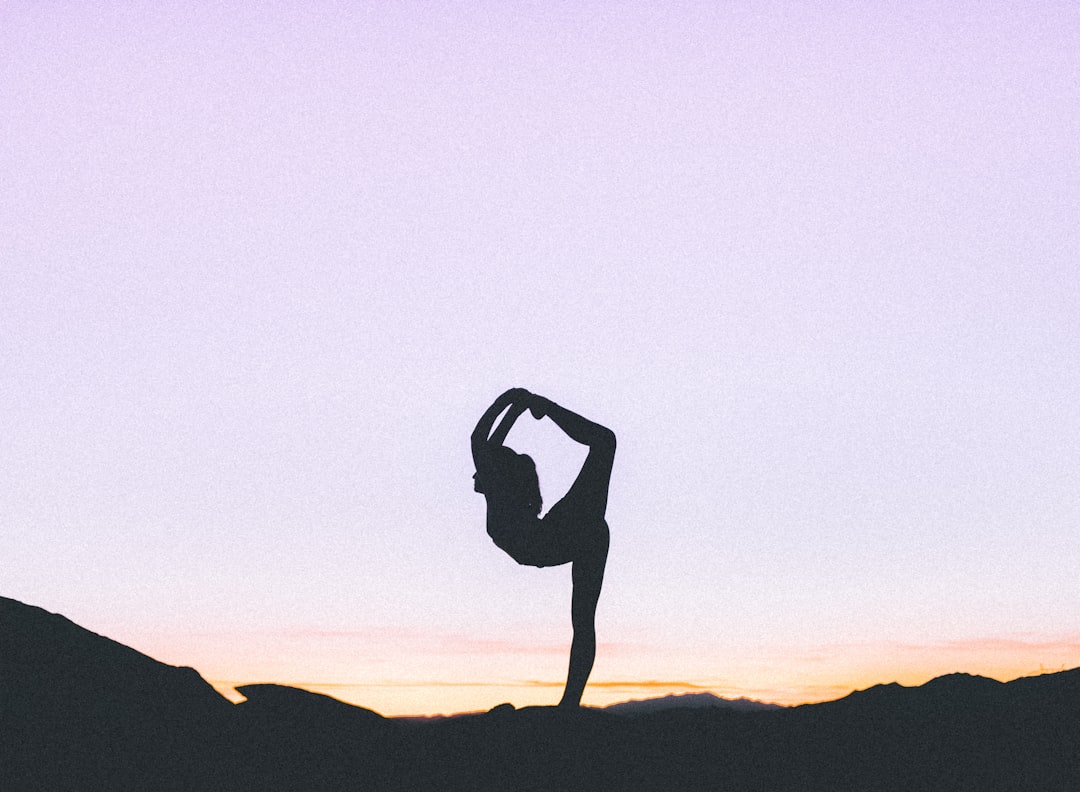
A 10-minute yoga routine can be short enough for a busy morning, work break, or bedtime while still giving your practice a clear purpose. This guide offers four equipment-free sequences for flexibility, stress relief, energy, and better sleep, with pose order, timing, intensity options, substitutions, and a simple weekly rotation.
Overview
The most useful daily yoga flow is not necessarily the longest one. A short routine is easier to repeat when it has a defined goal and a manageable level of effort. Instead of trying to include every pose, choose movements that match how you feel and what you need that day.
Use the routines below on a yoga mat, carpet, or another stable surface. A wall, firm chair, folded towel, or cushion can provide support, but none of the sequences requires special equipment. Move slowly enough to notice your breathing and alignment. The suggested times are flexible: if a pose feels helpful, stay longer; if it feels uncomfortable, shorten it or choose the listed substitution.
These routines are general wellness sequences, not treatment plans. Stop if you experience sharp pain, dizziness, numbness, or unusual shortness of breath. Anyone managing an injury, pregnancy, a medical condition, or significant balance limitations should adapt the practice with guidance from an appropriately qualified professional. For pose-by-pose starting points, see the Beginner Yoga Poses library.
Core concepts
How to use a 10-minute sequence
Begin with one minute of easy breathing and gentle movement, then follow the listed order. In standing poses, keep your feet grounded and your knees soft. In seated or lying poses, support yourself rather than forcing a deeper range. Let the breath remain steady; the ability to breathe comfortably is a useful guide to intensity.
For a beginner yoga practice, repeat a routine two or three times before changing it. Familiarity makes it easier to notice whether a modification improves comfort. You can also reduce every holding time by half on a stiff or tired day, or repeat the most useful two or three poses when you have only five minutes.
Routine 1: 10-minute yoga for flexibility
Best for: general stiffness, a gentle mobility session, or a gradual daily stretch. This routine moves from the spine to the hips and the backs of the legs.
- Seated breathing and side stretch — 1 minute: Sit comfortably, lengthen through the crown of the head, and take slow breaths. Add a gentle side bend on each side without lifting the opposite sitting bone.
- Cat-Cow — 1 minute: Come to hands and knees. Inhale as you broaden the chest and gently extend the spine; exhale as you round the back. Move within a comfortable range.
- Child’s Pose — 1 minute: Lower the hips toward the heels and rest the forehead on stacked hands or a cushion. Keep the knees together or separate them if that feels easier.
- Low Lunge — 2 minutes: Step one foot forward and lower the back knee. Keep the front knee tracking toward the toes, then switch sides after one minute. Place hands on blocks, books, or the floor.
- Half Split — 2 minutes: From the low lunge, shift the hips back and straighten the front leg only as far as you can keep the spine long. Switch sides after one minute. Bend the front knee more if the stretch is intense.
- Reclined Figure Four — 2 minutes: Lie on your back, cross one ankle over the opposite thigh, and draw the legs toward you. Change sides after one minute. Keep the head and shoulders relaxed.
- Rest — 1 minute: Lie comfortably and let the breath return to its natural rhythm.
For a more structured progression, pair this routine with the flexibility plan for tight beginners.
Routine 2: 10-minute yoga for stress relief
Best for: an anxious transition between tasks, an afternoon reset, or a quiet practice at home. The emphasis is on supported shapes and a longer exhale, without breath holding.
- Comfortable seat and breathing — 2 minutes: Sit on a cushion or chair. Inhale gently through the nose if comfortable, then allow the exhale to be slightly longer than the inhale. Keep the breath natural rather than forcing a count.
- Neck and shoulder release — 1 minute: Slowly turn the head from side to side, then roll the shoulders up, back, and down. Avoid dropping the head heavily backward.
- Supported Child’s Pose — 2 minutes: Rest the torso over a cushion, bolster, or folded blanket, turning the head to one side and changing sides halfway through.
- Seated Forward Fold — 2 minutes: Sit with knees bent as needed and fold from the hips. Let the hands rest on the legs or floor; there is no need to reach the feet.
- Legs on a Chair — 2 minutes: Lie on your back with the lower legs supported by a chair or sofa. Allow the arms to rest by your sides.
- Quiet rest — 1 minute: Notice three physical sensations, two sounds, and one aspect of the breath.
This routine can be paired with simple breathing exercises for stress relief. If seated meditation feels difficult, the final minute can be your entire mindfulness exercise: observe sensations without trying to change them.
Routine 3: 10-minute morning yoga for energy
Best for: waking up the body, preparing for a workday, or adding movement after prolonged sitting. Keep the pace steady rather than strenuous.
- Standing breath with arm sweep — 1 minute: Stand with feet comfortable apart. Inhale as the arms rise, exhale as they lower. Keep the shoulders relaxed.
- Half Sun Salutation — 2 minutes: From standing, fold with bent knees, lift halfway with a long spine, fold again, and return to standing. Repeat slowly.
- Chair Pose — 1 minute: Bend the knees and send the hips back as if reaching for a chair. Keep the weight toward the heels and raise the arms only as high as comfortable.
- Low Lunge with gentle twist — 2 minutes: Step one foot back, lower the knee if desired, and place the opposite hand near the front foot while the other arm reaches upward or rests on the hip. Switch sides after one minute.
- Downward-Facing Dog or tabletop — 2 minutes: From hands and knees, lift the hips into Downward Dog or remain in tabletop. Pedal the heels gently if that feels good, without forcing them toward the floor.
- Mountain Pose and balance — 1 minute: Return to standing. Try lifting one heel or standing in a supported Tree Pose, using a wall for balance. Switch sides.
- Standing rest — 1 minute: Let the arms rest and take several comfortable breaths.
If Downward Dog is not suitable, use Child’s Pose or tabletop. For more ideas, explore the 10-minute daily yoga flow guide.
Routine 4: 10-minute bedtime yoga for better sleep
Best for: winding down before bed, releasing tension from the hips and back, or creating a consistent evening transition. Keep the lights low and the movements unhurried.
- Constructive Rest — 2 minutes: Lie on your back with knees bent and feet on the floor. Let the arms rest comfortably and feel the support beneath you.
- Windshield Wipers — 1 minute: With knees bent, slowly move both knees from side to side. Keep the range small and comfortable.
- Reclined Bound Angle — 2 minutes: Bring the soles of the feet together and allow the knees to open only as far as comfortable. Support the thighs with cushions if needed.
- Knees-to-Chest — 1 minute: Draw the knees toward the chest without pulling hard. Rock gently from side to side or remain still.
- Supported Twist — 2 minutes: Let the knees move to one side while the shoulders remain heavy. Switch sides after one minute. Place a cushion under the knees for support.
- Final rest with extended exhale — 2 minutes: Breathe naturally, allowing each exhale to soften the jaw, shoulders, and hands.
Avoid turning bedtime yoga into a demanding workout. The goal is a predictable downshift, not maximum flexibility. Supported options from this routine also appear in the guide to restorative yoga poses.
Related terms
Daily yoga flow describes a repeatable sequence of poses connected by breath or a consistent order. It may be active, gentle, or restorative. A morning yoga routine usually favors standing movements, spinal mobility, and moderate energy, while bedtime yoga generally uses slower transitions and supported seated or reclining poses.
Yoga for flexibility is best approached as regular, comfortable mobility rather than a contest to reach a particular shape. Yoga for stress relief often combines easy movement, steady breathing, and attention to present sensations. Gentle yoga at home can mean reducing range, using a chair or wall, practicing from a seated position, or taking longer rests.
Props are optional but useful. A folded blanket can raise the hips or support the knees, a strap can extend reach without rounding the back, and blocks can bring the floor closer. The yoga props guide explains practical ways to use common supports.
Practical use cases
Choose the routine by your immediate need rather than following a fixed idea of the “best” sequence. Use the flexibility routine after sitting or when your body feels generally restricted. Choose stress relief when your mind feels busy and you want fewer transitions. Use the morning sequence when you want a clear start to the day, and the bedtime sequence when you need a quiet bridge between activity and rest.
A simple weekly rotation might look like this:
- Monday: morning energy routine.
- Tuesday: flexibility routine.
- Wednesday: stress-relief routine.
- Thursday: morning energy routine or a rest day.
- Friday: flexibility routine.
- Saturday: choose the routine that matches your energy.
- Sunday: bedtime routine or complete rest.
This schedule is only a starting point. Older adults, people new to yoga, or anyone returning after a break may prefer seated, supported, or shorter practices. On sore days, avoid treating discomfort as a challenge to push through; use the gentler sequence and reduce the range of motion. A chair can make standing balance poses more accessible, and a wall can provide reassurance during transitions.
Track one simple observation after practice: energy, tension, mood, or ease of movement on a personal scale from low to high. Over several sessions, this can help you identify which routines suit different parts of your day without turning yoga into a performance measure.
When to revisit
Return to this reference whenever your schedule, energy, or practice goal changes. Revisit the routine menu at the start of a new week, after travel or a period of inactivity, or when a sequence no longer feels appropriately challenging. You can also review it when seasonal changes alter your morning or bedtime habits.
Update your personal version of each routine when you discover a better substitution, need more support, or consistently finish with time remaining. Keep the 10-minute structure, but adjust the intensity: hold poses for less time on difficult days, repeat a favorite movement when you need more mobility, or add a quiet breathing minute when stress is the main concern.
To begin today, choose one goal, set a timer for 10 minutes, and gather one support such as a folded blanket or wall. Follow the matching sequence without rushing. Finish by noting how you feel, then use that observation—not comparison or perfection—as your guide for the next practice.