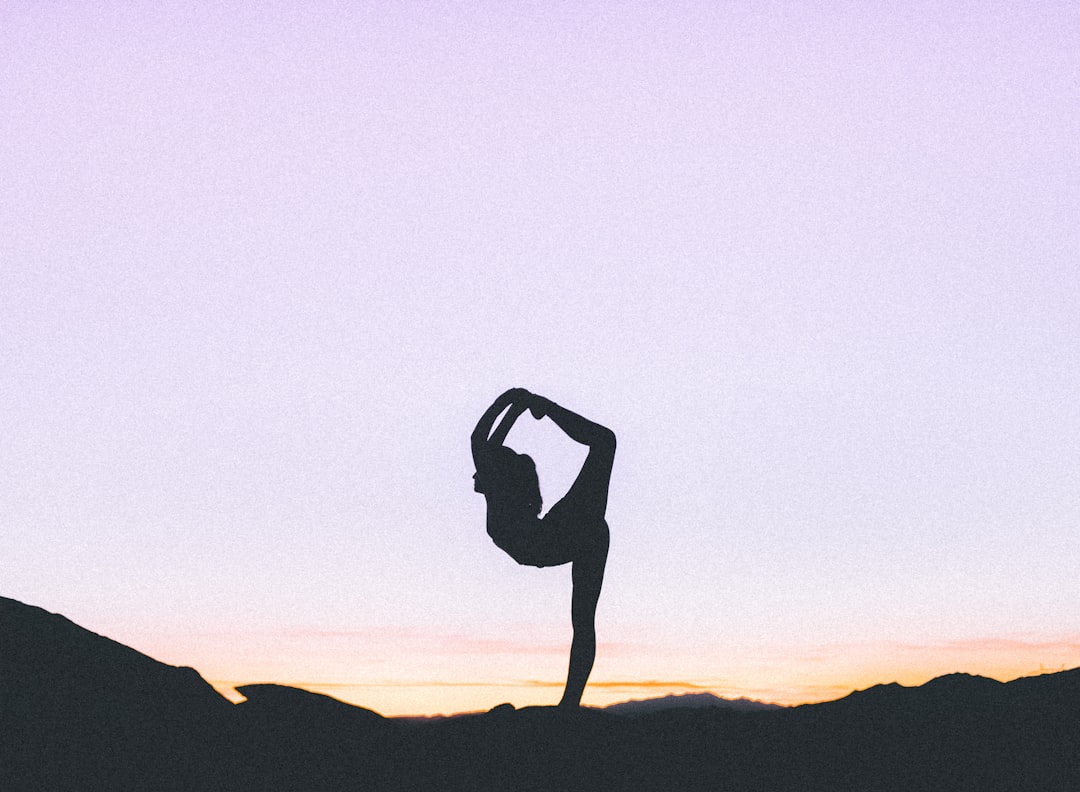
Extreme sports like climbing, base jumping, and mountain biking demand peak physical performance and mental focus. These athletes require a unique blend of strength, flexibility, core stability, and recovery to excel and avoid injury. Incorporating specialized yoga sequences tailored for such athletes not only enhances their athletic performance but also promotes longevity in their sports career. This comprehensive guide offers step-by-step yoga sequences designed specifically for those passionate about climbing and other extreme sports, aiming to improve flexibility, core strength, and recovery.
1. The Unique Physical Demands of Climbing and Extreme Sports
1.1 Functional Strength and Flexibility
Sports like climbing rely heavily on grip strength, core stabilization, balance, and joint mobility. Unlike traditional weight training, climbers benefit immensely from functional flexibility that supports dynamic movements on variable terrain.
1.2 Mental Focus and Recovery
Beyond the body, extreme sports athletes must sharpen concentration under stress and recover rapidly from intense bouts of activity. Yoga’s meditative practices cultivate mindfulness, essential for maintaining calm and focus during high-adrenaline sports.
1.3 Injury Prevention Needs
Climbing and extreme sports pose risks such as tendon injuries, muscle strains, and overuse syndromes. Proper joint alignment and muscle balance developed through yoga can mitigate these risks significantly. Learn more about safe alignment in poses with Sun Salutation Technique Alignments.
2. Core Principles of Yoga for Extreme Athletes
2.1 Dynamic Flexibility
Dynamic flexibility, the ability to move joints through full ranges during active movement, is vital. Yoga poses like Warrior II Pose and Dancer Pose enhance hip and shoulder mobility critical for climbers.
2.2 Core Activation and Stability
Strong and engaged core muscles protect the spine and improve control during precarious moves. Explore core-strengthening sequences such as Boat Pose and plank variations that build endurance and precision.
2.3 Breath Control for Endurance
Breathwork, or pranayama, improves oxygen flow and aids mental focus. Techniques like Ujjayi breathing can increase stamina and reduce fatigue during climbs and adrenaline-fueled moments.
3. Warm-Up Sequences to Prime the Body
3.1 Joint Mobilizations for Climbing Readiness
Starting with gentle joint circles – especially wrist, elbows, shoulders, hips, and ankles – increases synovial fluid and joint health. The Cat-Cow Pose warms up the spine and improves flexibility.
3.2 Dynamic Sun Salutations
Sun Salutations create a fluid, movement-based warm-up that elevates heart rate and activates large muscle groups. For climbers, a slightly modified sequence engaging the upper body with focused transitions benefits grip and shoulder activation. Deepen this with our refined Revamped Sun Salutation for Athletes.
3.3 Wrist and Forearm Prep
The wrists and forearms bear the brunt in climbing. Include wrist extensions, flexions, and forearm stretches along with poses like Downward Dog Wrist Release to prevent common injuries.
4. Yoga Sequences to Enhance Flexibility
4.1 Hip Openers for Greater Range
Addresses the key flexibility demand in climbing. Include Pigeon Pose and Butterfly Pose to release tight hip flexors and adductors, improving leg movement in overhangs and vertical ascents.
4.2 Shoulder and Upper Back Mobility
Incorporate poses such as Extended Side Angle Pose and Reclined Twist which stretch the thoracic spine and shoulders for improved reach and reduced risk of impingement.
4.3 Spine Flexibility and Health
Sequential poses including Cobra Pose and gentle backbends increase spinal extension capacity, essential for powerful movements and fall recovery control.
5. Building Core Strength — The Athlete’s Powerhouse
5.1 Engaged and Balanced Core
Core strength in climbing isn't about bulky muscles but about neuromuscular control. Poses like Side Plank and Boat Pose teach proper engagement to stabilize the pelvis and spine.
5.2 Anti-Rotational Stability Challenges
Unilateral poses such as Warrior III and balance poses develop stabilizer muscles that prevent torso twisting injuries on the wall or uneven terrains.
5.3 Integrating Breath and Movement
Exhale-driven core contractions during poses boost intra-abdominal pressure, giving the body a strong internal brace. Practices such as *Navasana* with controlled breathing amplify these benefits.
6. Recovery Sequences to Promote Healing and Longevity
6.1 Myofascial Release Through Yoga
Incorporate gentle yoga poses and stretches to facilitate blood flow and release fascial tightness. Techniques in the Restorative Yoga for Recovery guide help muscles recover faster.
6.2 Nervous System Calming
Recovery also requires nervous system regulation. Simple sequences focusing on diaphragmatic breathing combined with forward folds like Child’s Pose ease tension and promote deep rest.
6.3 Sleep and Yoga Nidra
Yoga Nidra and guided relaxation techniques complement physical recovery by reducing stress hormones, improving sleep quality, and accelerating healing – essential for extreme sports athletes. Our full guide on advanced Yoga Nidra for Restorative Sleep breaks down methods that anybody can apply.
7. Sequencing Ideas for Climbers and Extreme Athletes
7.1 Pre-Climb Power Sequence
A short 15-minute energizing sequence including Sun Salutations, plank variations, and hip openers activation primes the body. Check our detailed Morning Yoga Routine for Energy for a solid template adapted for climbing.
7.2 Post-Session Recovery Flow
Gentle hip openers, twists, and calming breathwork reduce muscle soreness and promote flexibility. Our Evening Yoga for Maximum Relaxation routine offers a perfect recovery-inspired flow.
7.3 Weekly Strength and Flexibility Cycle
Alternate days of strength-building core poses with flexibility drills and restorative sessions to balance intensity and recovery. This cycling optimizes performance and reduces burnout. For more insight, see Strength and Flexibility Balance Guide.
8. Adaptations and Modifications for Injuries and Limitations
8.1 Shoulder Rehabilitation and Protection
Include scapular stabilizing poses with careful alignment. Sequences involving Downward Dog and Cobra Pose Adjustments offer safe strengthening for recovering athletes.
8.2 Wrist Mobility and Strength Enhancements
Since wrist injuries are common in climbers, use modified weight-bearing poses and wrist stretches to build resilience, detailed in Wrist Health and Yoga.
8.3 Lower Back Care
Care with backbends and twists is vital; introduce supported poses from Supportive Restorative Yoga to build strength without strain.
9. Nutrition and Recovery Synergy
9.1 Role of Anti-Inflammatory Foods in Performance
A diet rich in omega-3s and antioxidants supports muscle repair and reduces inflammation after tough sessions. For balanced lifestyle tips integrating nutrition with athletic goals, see Nutrition and Yoga Benefits.
9.2 Hydration and Muscle Function
Proper hydration improves flexibility and reduces cramping. Combine yoga’s breathwork promotion with adequate water intake for optimal muscle function.
9.3 Supplements Supporting Recovery
Natural supplements such as turmeric, magnesium, and collagen can enhance tissue repair and joint health. For holistic care strategies, explore Holistic Health Guide.
10. Case Studies: Athletes Benefiting from Yoga Integration
10.1 Climber's Progress: Increased Flexibility and Core Control
A competitive climber reported a 30% reduction in forearm fatigue and increased hip mobility after six weeks of targeted yoga sequences. The program integrated poses from Strength and Flexibility Balance Guide.
10.2 Extreme Sports Recovery: Faster Healing and Mental Focus
An extreme mountain biker used evening restorative sequences combined with Yoga Nidra to reduce recovery time and improve focus during rides (Yoga Nidra for Restorative Sleep).
10.3 Injury Prevention Success
Regular wrist and shoulder mobility exercises in yoga led to an 80% decline in overuse injuries among a group of base jumpers over a season.
Comparison Table: Key Pose Categories and Their Benefits for Extreme Sports Athletes
| Pose Category | Main Benefit | Target Area | Example Pose | Why It Matters for Climbing/Extreme Sports |
|---|---|---|---|---|
| Hip Openers | Increase flexibility | Hips, groin | Pigeon Pose | Improves leg positioning, reduces injury risk |
| Core Strengthening | Improved stability and power | Abdominals, lower back | Boat Pose | Supports body control during complex moves |
| Shoulder Mobility | Enhances reach & prevents injury | Shoulders, upper back | Extended Side Angle | Crucial for overhead movements and bracing |
| Wrist Mobility | Prevents strain & improves grip | Wrists, forearms | Wrist Release | Protects during weight-bearing on hands |
| Restorative Poses | Enhances recovery & calms nervous system | Full body | Child's Pose | Aids muscle relaxation and mental reset |
Pro Tip: Consistency trumps intensity. Short, daily yoga sessions aligned with climbing training yield sustainable flexibility and strength gains.
FAQs
1. How often should climbers practice yoga?
Ideally, 3-5 times a week with a mix of dynamic strength and flexibility sequences, plus restorative practices post training.
2. Are there any yoga poses to avoid for climbing injuries?
Avoid deep forward folds that strain the lower back if you have pre-existing issues and be cautious with extreme shoulder or wrist positions if injured.
3. Can yoga improve grip strength?
Yes. While yoga isn’t direct grip training, poses engaging the hands and forearms like plank variations and crow pose indirectly enhance grip endurance.
4. What is the best time to practice yoga for recovery?
Evening routines with slow restorative sequences and breathwork facilitate better sleep and muscle healing.
5. How does breath control influence climbing performance?
Focused breathing delays muscle fatigue, improves endurance, and reduces stress — all crucial during challenging climbs.
Related Reading
- Strength and Flexibility Balance Guide - Explore optimal balance for athletic conditioning.
- Yoga Nidra for Restorative Sleep - Techniques for deep recovery and stress relief.
- Warrior III Pose Step Guide - Build balance and anti-rotational core strength.
- Child’s Pose Benefits - Learn how gentle postures support nervous system calming.
- Pigeon Pose Step by Step - A go-to hip opener for improved mobility.