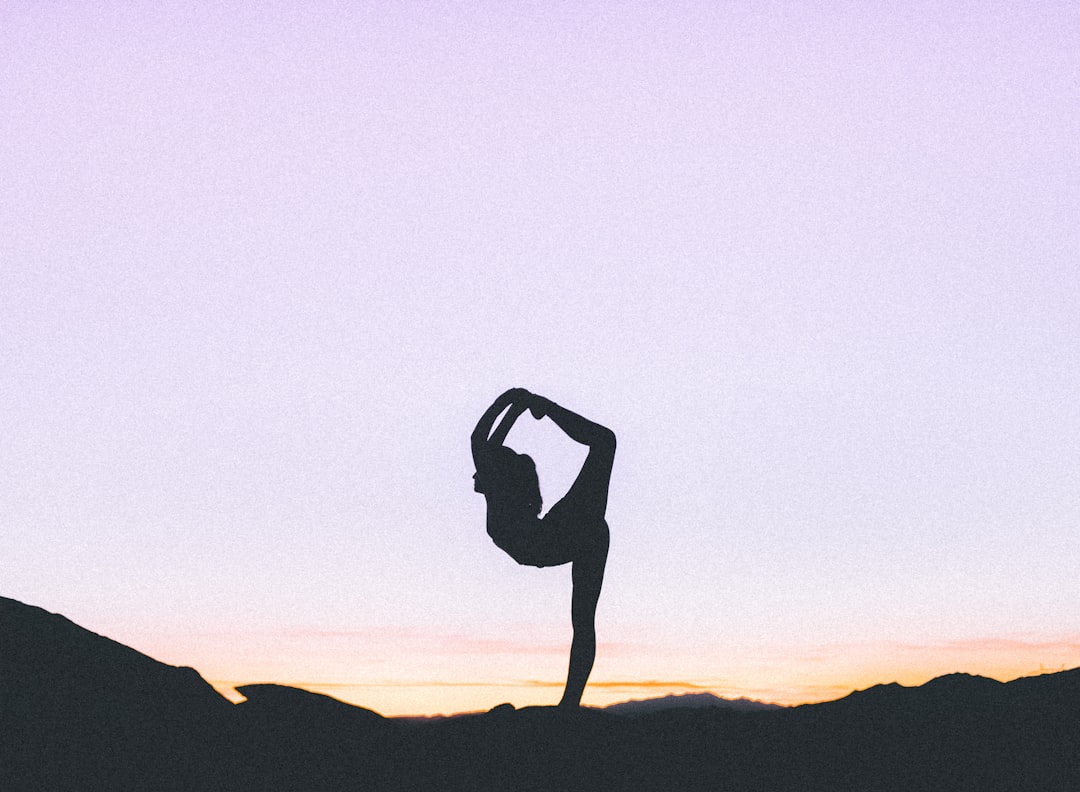
Music and movement have been intertwined for millennia, shaping human emotion, rhythm, and even physical expression. In modern wellness and fitness circles, one of the most exciting frontiers is the fusion of yoga with various music genres, creating uniquely powerful sequences that resonate with diverse rhythms and mental states. This guide explores how different genres—from classical symphonies to upbeat hip-hop—can influence your yoga flow, helping you harmonize your mind, body, and soul through sound and movement.
1. The Science of Sound and Movement: How Music Influences Yoga Practice
1.1 Neurological Effects of Music on Mindfulness and Focus
Scientific evidence supports that music can enhance cognitive function, reduce anxiety, and improve mindfulness during yoga practice. Rhythmic auditory stimuli synchronize with brain wave activity, promoting relaxation or energizing alertness depending on tempo and tone. Understanding these effects can help tailor your yoga flow to the music’s emotional intent, deepening your mindfulness practice for better wellness results.
1.2 The Role of Rhythm in Physical Movement and Breath Coordination
Yoga's physicality, often closely linked with breath, syncs naturally with music rhythms. Faster beats encourage dynamic sequences such as Vinyasa flows, enhancing cardiovascular fitness. Slower tempos support restorative poses and pranayama, promoting calmness. Awareness of rhythm allows you to modulate intensity, creating a more harmonious fitness session that balances strength and relaxation.
1.3 Emotional and Psychological Benefits of Genre Selection
Selecting music genres aligned with your emotional needs empowers your yoga practice. Classical music can elevate contemplation, while reggae might foster joy and groundedness. Exploring how these auditory emotions translate into physical states bridges yoga with holistic wellness.
2. Classical Music-Inspired Yoga: Elegance, Flow, and Serenity
2.1 Characteristics of Classical Music for Yoga Sequencing
Classical pieces often feature structured compositions with varying tempos and dynamics, offering excellent cues for gradual progression and rest. This makes it ideal for sequencing that emphasizes fluid transitions, precise alignment, and deep breaths, aiding mindfulness and posture refinement.
2.2 Creating a Yoga Flow to Classical Music: Step-by-Step
Start with a gentle warmup such as Tadasana (Mountain Pose) synchronized with slow adagios. Gradually incorporate balance postures like Vrksasana (Tree Pose) during moderately paced movements, flowing towards floor-based stretches such as Setu Bandhasana (Bridge Pose). Maintain breath awareness, guided by the melody's rises and falls.
2.3 Benefits and Considerations
This style boosts mental clarity and patience, ideal for reducing stress and enhancing concentration. It suits practitioners interested in alignment and therapeutic benefits. However, the slower rhythm requires mindful pacing to avoid stagnation, ensuring your fitness goals remain engaged.
3. Jazz and Blues: Improvisation Meets Strength
3.1 Jazz Rhythms and Yoga Dynamics
Jazz's syncopated beats and emotional depth encourage creative freedom and movement improvisation. A jazz-inspired yoga sequence can embrace fluctuations in tempo, combining strength-building poses with fluid flexibility work.
3.2 Designing a Jazz Yoga Sequence for Enhanced Fitness
Begin with grounding postures like Virabhadrasana II (Warrior II) to establish strength. Incorporate playful transitions through Natarajasana (Dancer Pose), allowing breath and movement to riff off the beat. Use seated twists and backbends reflecting soulful blues expression to deepen the stretch.
3.3 Mind-Body Benefits
This fusion cultivates adaptability both physically and mentally, enhancing body awareness and resilience. It aligns well with those seeking to boost endurance and creative exploration in their practice.
4. Hip-Hop and Modern Beats: Energy and Empowerment on the Mat
4.1 Characteristics of Hip-Hop Music for Yoga
Hip-hop’s rhythm-heavy and energetic style infuses power, motivation, and confidence into practice. Its beats lend well to dynamic, strength- and core-focused sequences with an urban edge.
4.2 Crafting a Hip-Hop Flow Sequence
Use fast-paced, repetitive beats to build momentum with power poses like Phalakasana (Plank Pose) and Utkatasana (Chair Pose). Add explosive movements like jump lunges (modified for safety) between strength holds, then transition into hip openers such as Eka Pada Rajakapotasana (Pigeon Pose) to release tension.
4.3 Fitness and Mindfulness Insights
This approach is excellent for high-energy workouts and stress relief through empowered movement. It encourages a bold mindset and builds stamina. Ensure you warm up thoroughly, respecting your individual limits to prevent injury—a key consideration emphasized throughout our yoga safety guide.
5. Ambient and Electronic: Deep Relaxation and Meditative Journeys
5.1 How Ambient Sounds Influence Yoga
Ambient and electronic music generates spacious, layered soundscapes that invite deep introspection and relaxation. Their often slow tempos and ethereal tones support restorative yoga and longer holds, perfect for stress management.
5.2 Sequencing for Restorative and Yin Yoga Practices
Develop a sequence emphasizing gentle, supported poses such as Balasana (Child's Pose) and passive twists. Use extended holds to deepen release. Integrate breathwork and meditation with the music creating a tranquil container for mindfulness.
5.3 Wellness and Stress Relief Benefits
Such sequences help reduce cortisol levels, improve sleep, and ease nervous system tension. They are ideal for practitioners recovering from fatigue or injury, demonstrating the adaptability and healing power of yoga aligned with musical rhythms.
6. World Music and Cultural Fusion: Expanding Your Practice Horizontally
6.1 Exploring Diverse Rhythms: Latin, African, Indian Influences
Incorporating world music opens doors to unique rhythm patterns and movement qualities. For example, Indian classical ragas can complement traditional yoga roots, while Latin percussion encourages dynamic hip-openers and twists.
6.2 Designing Globally Inspired Sequences
Create flows that honor cultural movement styles, combining foundational poses with traditional gestures. For instance, integrating graceful hand mudras during Paschimottanasana with Indian tabla rhythms adds layers of intention and cultural mindfulness.
6.3 Enhancing Mindfulness Through Cultural Music
This approach broadens emotional and spiritual connection to your practice, fostering inclusivity and deeper presence. It echoes findings in cultural psychology on the role of music in identity and wellbeing.
7. Practical Tips for Harmonizing Yoga Sequences and Music
7.1 Choosing the Right Music and Playlist Structure
Themed playlists provide coherent energy flow. Consider key changes, tempo shifts, and song transitions mapping onto your sequence plan, whether focusing on warming up, peak intensity, or cooling down.
7.2 Safety and Modifications While Practicing with Music
Music can distract awareness, so always prioritize safe alignment and use modifications from our comprehensive modifications guide. Avoid sudden pose changes during intense musical shifts to reduce injury risk.
7.3 Tracking Your Progress and Adjusting Your Routine
Keep a yoga journal noting how different genres affect your mood, flexibility, and strength. This reflective practice informs future sessions optimized for your fitness goals and mental state.
8. Comparison Table: Music Genres’ Impact on Yoga Styles & Benefits
| Music Genre | Yoga Style | Tempo/Intensity | Key Benefits | Recommended Poses |
|---|---|---|---|---|
| Classical | Hatha, Iyengar | Slow to moderate | Mental clarity, alignment focus | Mountain Pose, Tree Pose, Bridge Pose |
| Jazz/Blues | Vinyasa, Creative Flow | Moderate with syncopated beats | Creativity, strength, adaptability | Warrior II, Dancer Pose, Seated Twist |
| Hip-Hop | Power Yoga, Fitness Flows | Fast/high energy | Stamina, confidence, empowerment | Plank, Chair Pose, Pigeon Pose |
| Ambient/Electronic | Restorative, Yin | Slow, spacious | Relaxation, stress relief | Child's Pose, Supported Reclined Twist |
| World Music (Latin, Indian) | Fusion, Cultural Yoga | Varied, rhythmic | Cultural mindfulness, emotional depth | Paschimottanasana, Mudras, Hip Openers |
9. Real-World Examples and Case Studies
9.1 Case Study: Jazz Yoga Workshops in Urban Fitness Studios
Fitness studios incorporating jazz-inspired flows report increased class engagement and improved client mood scores. This hands-on experience illustrates how syncing improvised movement to live jazz creates a therapeutic community atmosphere.
9.2 Success Story: Hip-Hop Yoga for Youth Empowerment
Programs combining hip-hop beats with power yoga sequences fostered resilience and body confidence among young participants in underserved areas. Incorporating music genres culturally relevant to students amplified engagement and fitness outcomes.
9.3 Meditation with Ambient Music for Chronic Stress Relief
Clinical trials using ambient electronic music in guided meditation and restorative yoga showed significant reduction in stress hormones, validating the role of carefully selected soundscapes for health improvement.
10. Integrating Your Music-Driven Yoga Practice into Daily Wellness
10.1 Sequencing for Different Times of Day
Morning practices with upbeat genres boost alertness, while evening sessions with calming sounds promote restful sleep. Understanding circadian rhythms can optimize your yoga and music combination for daily energy balance.
10.2 Combining Music and Yoga with Other Fitness Modalities
Music-inspired yoga sequences can complement running, cycling, or strength training recovery, offering active rest periods with mindful rhythm syncing. For guidance on overall fitness integration, check out our yoga for athletes resource.
10.3 Technology Tools for Curating Music-Yoga Experiences
Apps that combine playlists with tempo controls enable custom flow creation. Wearable devices tracking heart rate can also suggest optimal music tempo changes to enhance practice safety and effectiveness.
Frequently Asked Questions (FAQ)
Q1: Can any music genre work for yoga practice?
Yes, but the key is matching your practice goals and personal preferences to the music’s rhythm, mood, and intensity to promote harmony and safety.
Q2: How do I prevent distraction from music during yoga?
Choose music with minimal lyrics or repetitive patterns, and maintain awareness of your body alignment and breath. Use music as a guide, not a distraction.
Q3: Are there risks practicing yoga with fast-paced music?
Practice caution to avoid rushing postures, which can compromise alignment and risk injury. Incorporate thorough warmups and listen to your body’s limits.
Q4: How can I find new music suited for my yoga style?
Explore curated playlists on music platforms focused on yoga and meditation genres, or create your own using tempo and mood filters.
Q5: Does music influence breath control in yoga?
Absolutely. Rhythmic music inspires natural breath pacing, enhancing pranayama and movement coordination to increase mindfulness and oxygen flow.
Related Reading
- Yoga Pose Safety and Modifications - Essential tips for adapting poses safely and effectively.
- Yoga for Athletes - Discover how yoga complements sports and improves overall fitness.
- Mindfulness Practices for Winter Outdoors - Techniques to cultivate calmness and presence in nature.
- Mountain Pose (Tadasana) - Foundational alignment principles and benefits.
- Warrior II (Virabhadrasana II) - Building strength and stability through powerful standing postures.